
Renters insurance explained
Does renters insurance cover jewelry?
The ring matters more than the couch, and the policy knows it. A personal property limit isn’t a blank check for jewelry, a watch, or an instrument. This guide explains sublimits and scheduled personal property on AmTrust renters insurance through Sure.
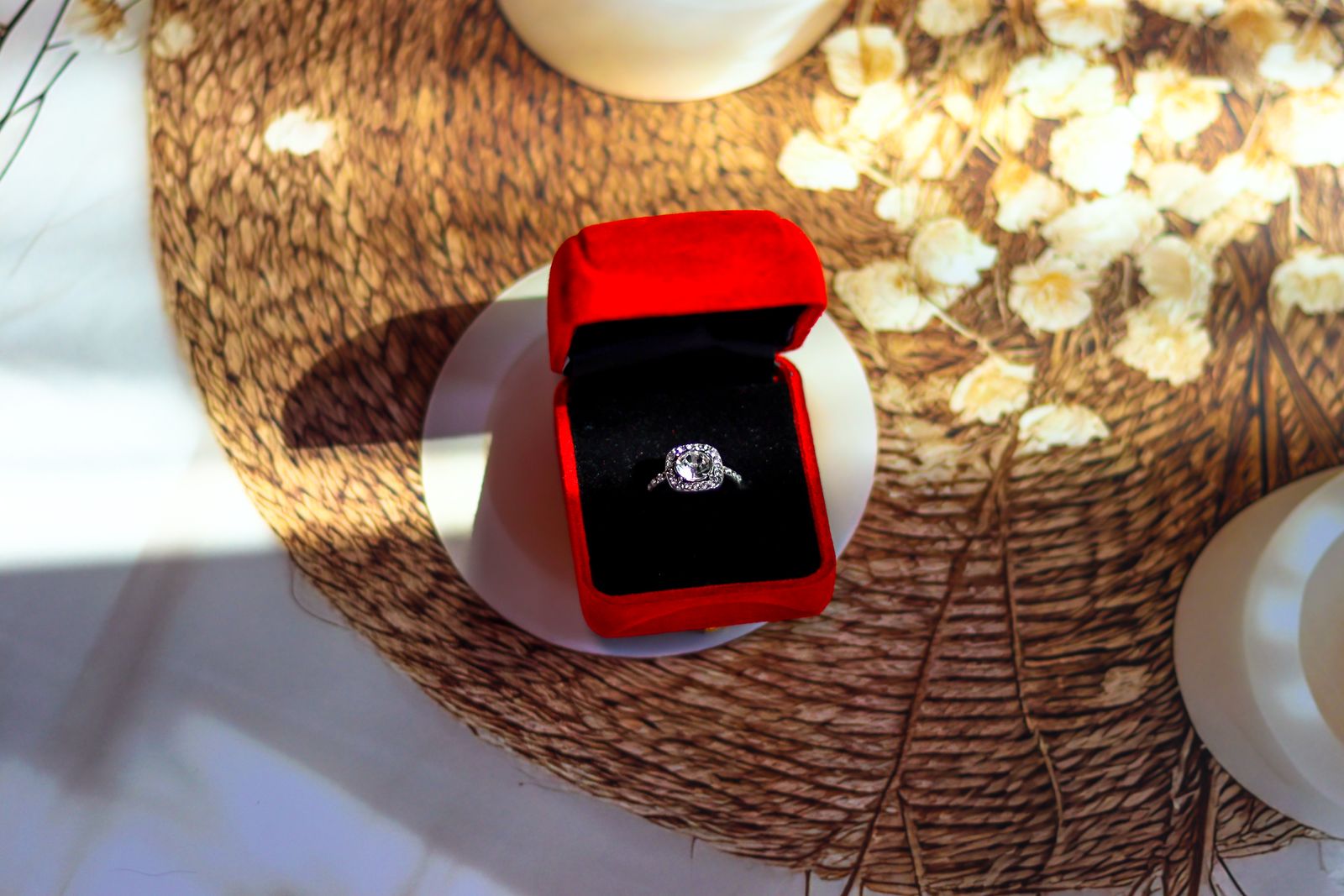
An engagement ring can be worth more than an entire category of your policy allows, even when the personal property limit looks generous on the quote. AmTrust renters insurance sold through Sure may cover jewelry inside personal property, subject to sublimits, and may let you schedule specific items on top. The total value of scheduled items can’t exceed ten thousand dollars. This guide explains how those pieces fit together. It isn’t a promise that any particular piece will be paid for.
The overall limit is only half the story
Two numbers on the quote matter here: the personal property limit and the category sublimit for jewelry. Read both before you decide whether scheduling belongs on your policy.
Sublimits come first
Personal property coverage may help repair or replace belongings after a covered loss, up to the limit you choose. Jewelry and similar items usually sit under a lower sublimit inside that number. Raising the big limit doesn’t lift the small one.
The coverage guide introduces sublimits as part of reading any policy. What follows here is what to do when one item sits above the cap.
Scheduling names the item
Scheduled personal property adds coverage for listed high-value items such as jewelry, art, or instruments. You name each piece. On this product, everything you schedule together can’t exceed ten thousand dollars in total.
Scheduling has its own terms. It doesn’t cover every way an item can be lost, and it can’t raise coverage for a piece you forgot to list.
Decide what is actually above the cap
Think about the pieces you’d be upset to replace: the engagement ring, the watch you inherited, the camera, the guitar. Compare each one with the jewelry sublimit on the quote, not with the headline property limit. That comparison is the whole decision.
If the value is under the sublimit, scheduling may be unnecessary. If it’s over, the unscheduled limit won’t pay the full value even when the cause of loss is covered.
There is a total maximum for scheduled items
All scheduled items together can’t exceed ten thousand dollars on this product. That’s a product rule, not a suggestion. If your collection is worth more than that, this endorsement won’t cover the excess, and it’s better to know that while you’re comparing options than after a loss.
The maximum is a ceiling on scheduled value. It says nothing about what a claim will pay. Deductibles, exclusions, and the cause of loss still apply exactly as the endorsement describes them.
An example is not a claim decision
A story about a stolen necklace or a guitar lost in a fire is there to make the idea concrete. Whether a real claim pays depends on what happened, the law that applies, and the policy you bought, including whether theft is a covered peril on that form. On this product, theft can be an added endorsement, and it isn’t offered in Florida.
Mysterious disappearance, or a stone that works loose from its setting, may not be covered even on a scheduled item. Read that language before you rely on the endorsement.
Add the item on the quote if you need it listed
Start a quote for AmTrust renters insurance through Sure. Open scheduled personal property and enter the items you want listed, keeping the total within ten thousand dollars. If the option doesn’t appear, ask Sure whether it’s available in your state rather than assuming the base sublimit matches the item.
Keep appraisals and receipts with your records. Once you buy, the policy documents are the controlling terms.
The couch is replaceable. The ring is the one worth reading the fine print for.
This page provides general information, not claims advice. Policy documents control coverage.
Frequently asked questions
How jewelry sublimits and scheduled personal property work, including the ten thousand dollar total.