

Move-in week is a blur of keys, boxes, and payments. Somewhere in there you write a big check for the security deposit, and it’s natural to feel like you’ve covered your bases. You’ve covered the landlord’s. The security deposit versus renters insurance question really comes down to whose stuff each one protects. A deposit is not a renters policy. It won’t replace your laptop after a fire, and it won’t satisfy a lease that asks for proof of insurance. For that, you’d want a policy like AmTrust renters insurance, sold through Sure.
Same week, very different jobs
Both are due around the same time, and both feel like protection. That’s where the confusion starts. Here’s the simplest way to keep them straight.
The deposit protects the landlord
Think of the deposit as the landlord’s safety net. It sits with them in case of unpaid rent or damage to the unit beyond normal wear. When you move out, the lease and your local rules decide how much comes back.
None of that money is set aside for you. If something happens to your belongings, the deposit doesn’t step in. Sure doesn’t hold it, either. It’s strictly between you and the landlord.
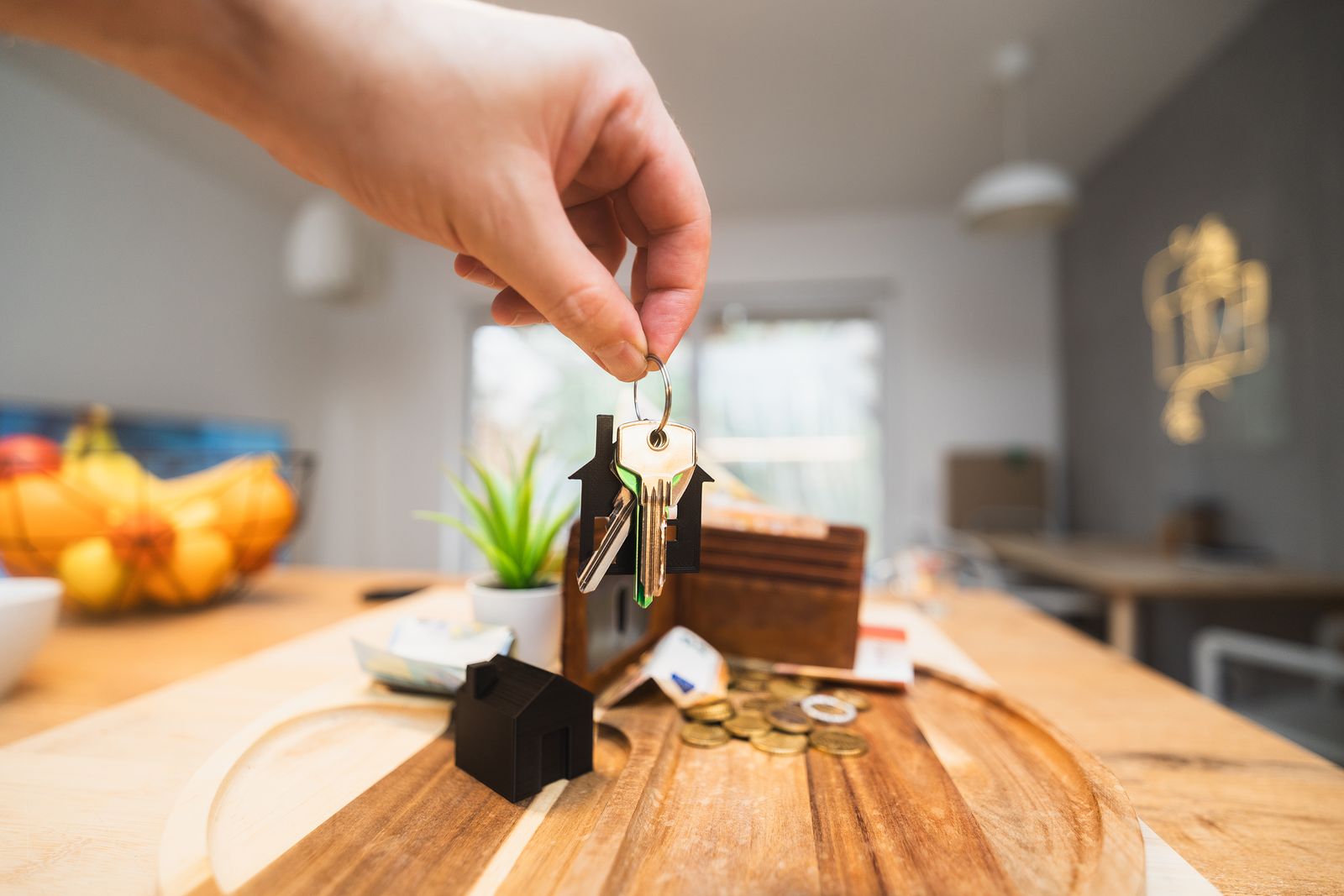
Renters insurance protects you
A renters policy is the part built around your life in the apartment. AmTrust renters insurance sold through Sure can cover your belongings, your personal liability if someone gets hurt or their property gets damaged, and certain extra living costs if a covered loss forces you out for a while.
So lease deposit and renters coverage aren’t either-or. They answer different questions. Paying one doesn’t get you the other.
Why your landlord won’t take the receipt
Here’s a scenario that happens more than you’d think. The lease says “proof of renters insurance,” and someone sends the deposit receipt, because it’s the most official-looking thing in the folder. It comes right back.
A deposit receipt is not proof of insurance. What landlords usually want is a declarations page: a one-page summary showing your name, the rental address, the policy dates, and your liability limit. You get one after you buy a policy, not before. A quote won’t do the job either.
Sometimes the lease asks you to list the landlord on the policy. Read that line closely. An interested party usually just gets notices, like a cancellation. An additional insured is a bigger request, so it’s worth asking which one they actually mean.
If there’s a fire, the deposit stays put
Picture the worst week: a kitchen fire, smoke in the closet, the couch ruined. The deposit doesn’t move. The landlord’s own policy generally takes care of the building, not the things inside it that belong to you.
That gap is exactly what renters insurance is for. Your coverage still follows the limits, the deductible, and the exclusions you choose, so it helps to set those numbers deliberately. If the lease names a liability minimum, start there. For your belongings, take a quick mental walk through the place: the bed, the TV, the clothes, the kitchen gear. Then choose a limit that would actually replace them.

Pay the deposit, then cover your stuff
If your lease adds a pet deposit, that’s more money for the landlord to hold. It isn’t coverage. On this product, pet damage coverage is a separate optional endorsement for property damage caused by pets, and it isn’t offered in North Carolina. Animal liability, for injuries your pet causes, is offered only in Florida.
The order is simple. Pay what the lease asks. Then start a quote for AmTrust renters insurance through Sure, pick limits that fit, and buy before your move-in date. Once you do, you’ll have a declarations page ready for the landlord.
The deposit gets you the keys. The policy is what protects everything you carry through the door.
This page provides general information, not legal advice. Policy documents and your lease control their own terms.
Frequently asked questions
Quick answers on deposits, proof, and what actually covers your belongings.