
Renters insurance explained
Does renters insurance cover water damage?
A wet floor looks the same whether it came from a backed-up drain, a sump pump, or a river that rose overnight. To a renters policy, those are very different events. Here’s how AmTrust renters insurance through Sure treats each one, and why none of them is a promise that every leak gets paid.
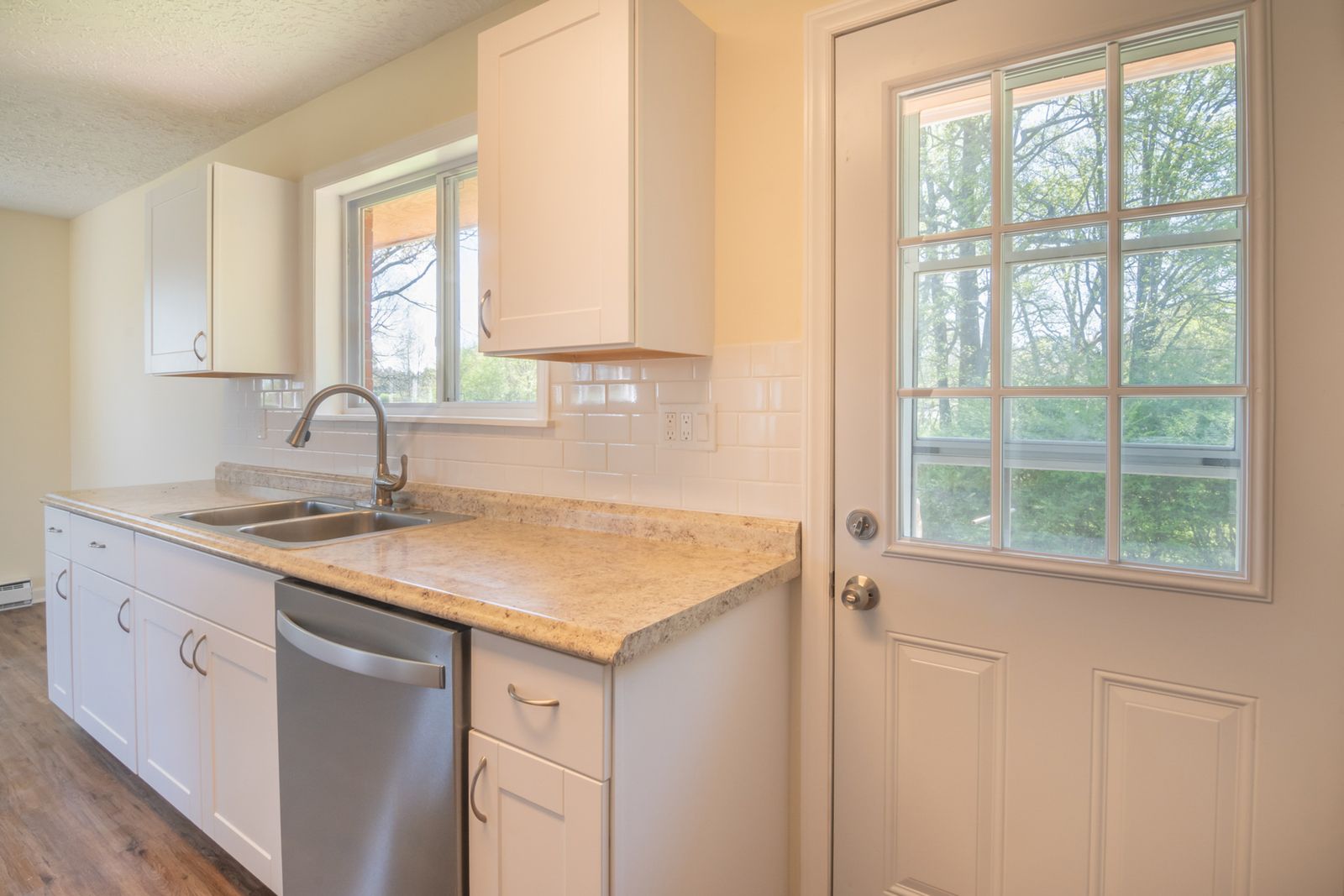
Water in a rental isn’t one kind of loss, even though it makes one kind of mess. AmTrust renters insurance sold through Sure can add a water damage endorsement for sewer or drain backup and sump pump overflow. Flood is a separate endorsement, and it’s excluded in North Carolina and Florida. Keeping those two ideas apart is most of what this guide does. What it can’t do is tell you that every drip, backup, or storm will be covered. The policy forms decide that.
Two water problems, two answers
There’s no single “water” checkbox on the quote. Look for the endorsement names instead. If an endorsement isn’t listed, it isn’t on the policy.
Sewer, drains, and sump pumps
Picture a basement laundry room after a heavy rain, with water coming up through the floor drain instead of going down it. That backup, and a sump pump that overflows, is what the water damage endorsement on this product is for. It’s optional. Adding it doesn’t erase every exclusion, and it doesn’t cover flood.
A backup that ruins belongings you own is the situation most people have in mind. Whether your particular loss qualifies still comes down to the policy forms, your deductible, and the limits you chose.
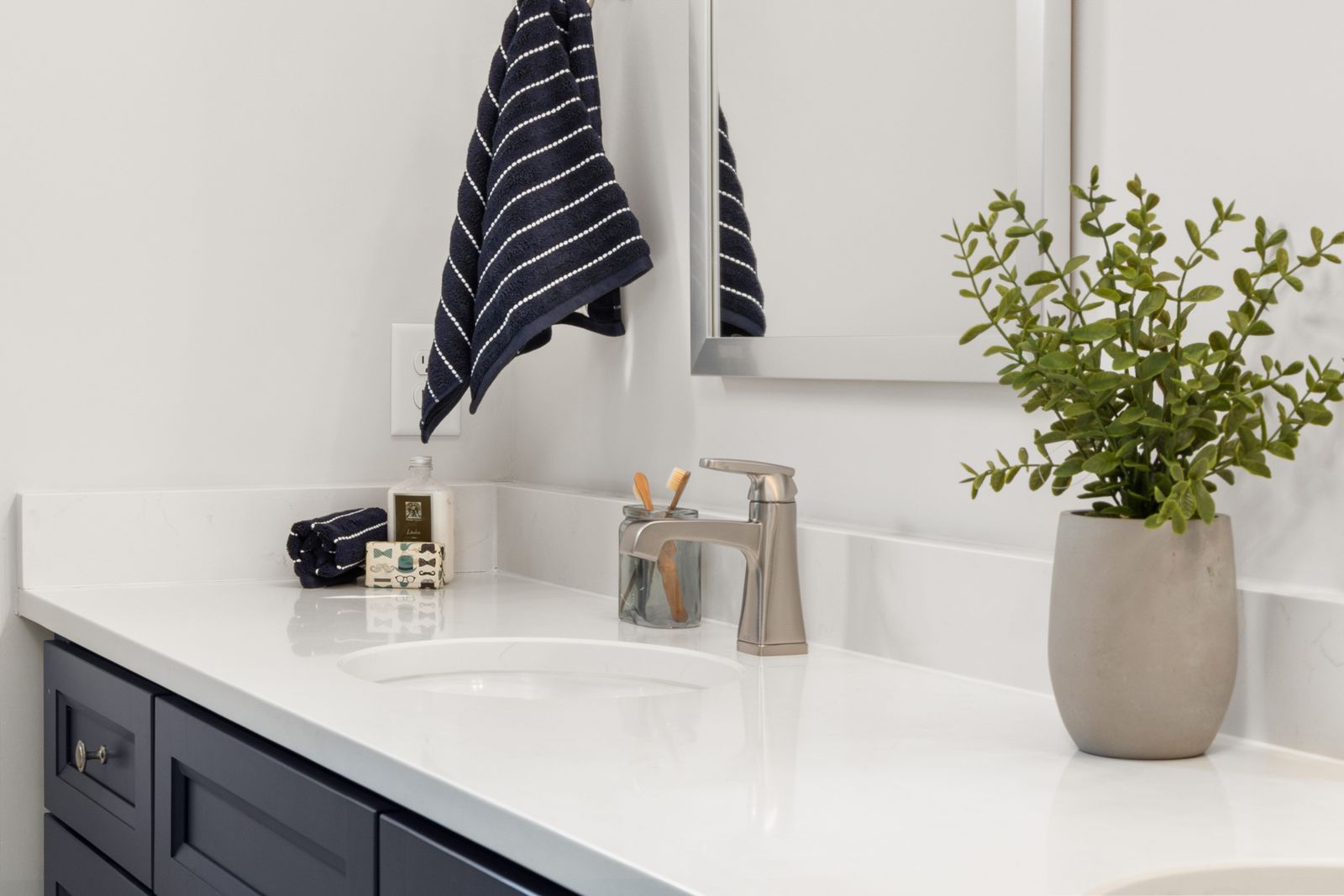
Flood is a separate endorsement
Flood coverage on this product is its own option, and it’s excluded in North Carolina and Florida. Where it can be offered, it carries its own terms. A sewer endorsement doesn’t turn into flood coverage because the water showed up during a storm.
If flood isn’t on your quote, don’t call the policy flood insurance when a landlord or roommate asks.
Not every wet loss is the same cause
People say “water damage” for a burst supply line, an overflowing washer, a slow drip under the sink, a drain that backs up, and a river that walks in the front door. The policy cares which one happened. Whether a burst pipe is covered depends on the form and the state, which is why you won’t find a yes or no to that question here.
Wear, neglect, and a leak you knew about and left alone are the usual reasons a loss gets limited or excluded. The coverage guide explains exclusions in general. The quote shows the water endorsements themselves.
Your policy is not the building policy
Floors, walls, and the landlord’s fixtures are generally a landlord insurance question. Your policy may help with your belongings when the cause of loss is covered. Loss of use may help with extra living costs if a covered loss makes the place unlivable for a while. Liability may come into it if you’re legally responsible for water that damages another unit.
None of those parts pay simply because the apartment is wet. The cause still has to be one the policy covers.
State and underwriting still decide what you can buy
Flood coverage is excluded in North Carolina and Florida on this product, and other endorsements can vary by state too. If the quote doesn’t show an endorsement, asking the landlord to note it on the lease won’t add it.
What’s available at quote time is the list that matters. An article can’t switch on an excluded endorsement, and neither can good intentions.
Check both endorsements on the quote
Start a quote for AmTrust renters insurance through Sure. Look separately for water damage (sewer and drains) and for flood. Read what each one says it covers, then read the exclusions sitting beside it.
Then check your personal property limit, because an endorsement doesn’t rescue a limit that’s too low for what you own. The how-much guide walks through choosing those amounts.
Water finds the gaps. Reading the quote closely is how you find them first.
This page provides general information, not claims advice. Policy documents control coverage.
Frequently asked questions
How sewer and drain backup differs from flood, and why a wet loss is not automatically covered.